
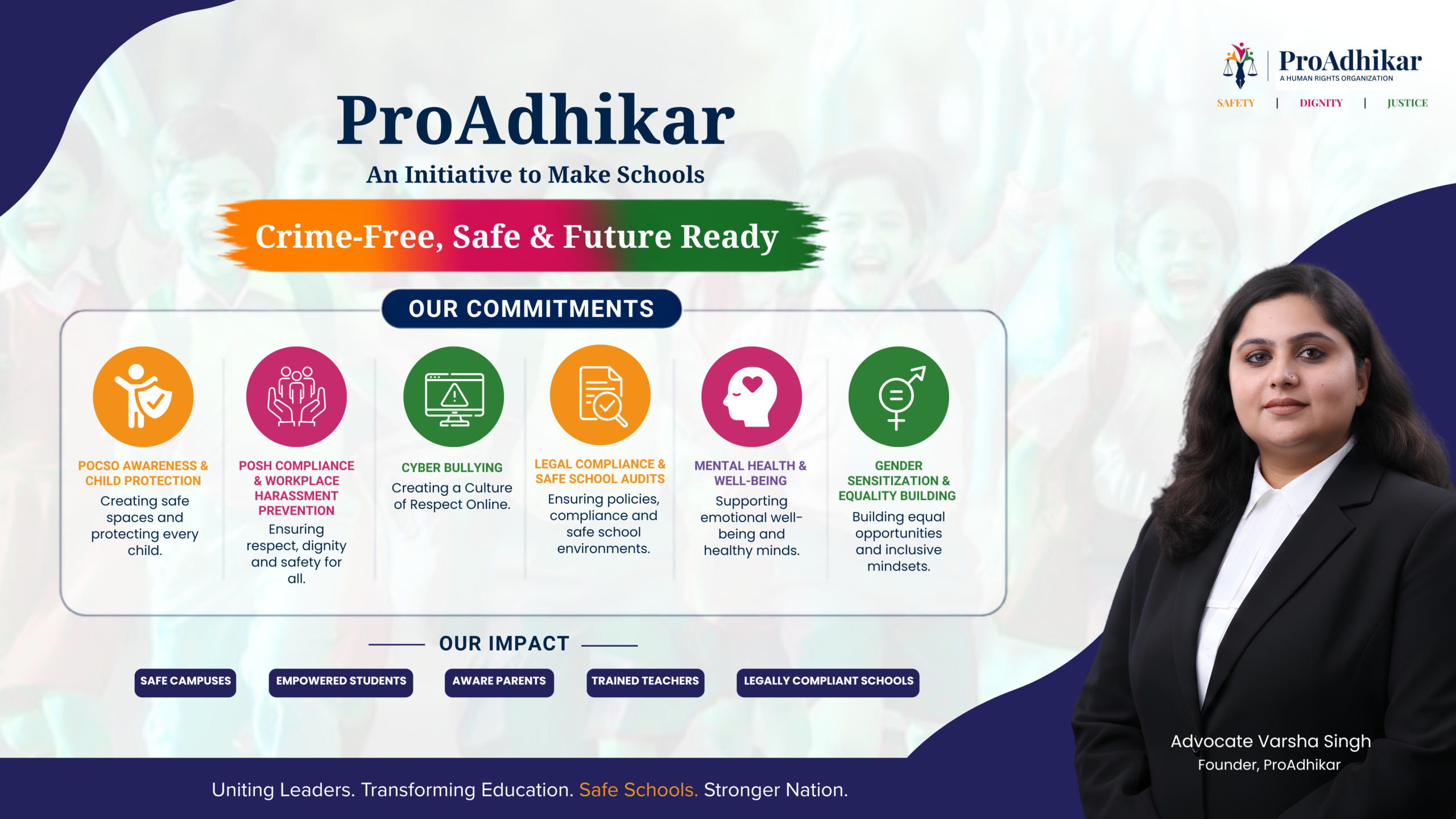


Building a Safer, More Inclusive Society Through

Prevention • Protection • Redressal

ProAdhikar is a human rights and legal empowerment initiative founded by Advocate Varsha Singh. We work with workplaces, educational institutions, and communities to build environments founded on dignity, equality, safety, accountability, and justice, through legal awareness, capacity building, compliance, and accessible redressal.

The law responds to injustice. Our work is to prevent it.

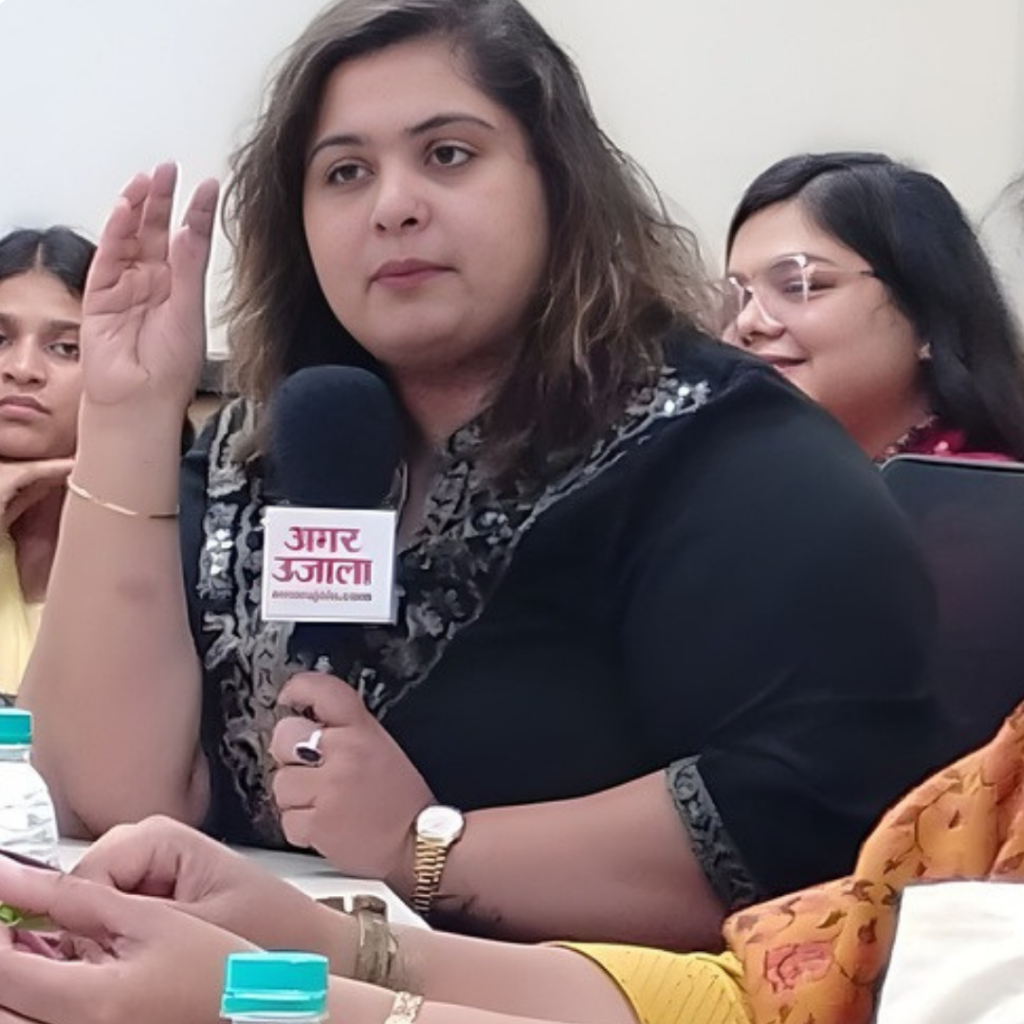
Founded by Advocate Varsha Singh, a first-generation lawyer with over a decade of practice before the Supreme Court of India and multiple High Courts, ProAdhikar brings courtroom experience and statutory precision to a single purpose: preventing violations before they occur, protecting rights through strong institutions, and ensuring fair redressal whenever those rights are tested.

The ProAdhikar Framework

Three responsibilities every institution owes its people

Prevention

Awareness prevents violations

POSH training, POCSO awareness programmes, gender sensitisation workshops, legal literacy drives, student education, and public campaigns that equip people to recognise and stop violations early.

Protection

Strong institutions protect people

Policy development, Internal Committee constitution and training, child protection frameworks, compliance audits, and governance advisory that convert legal obligation into working structure.

Redressal

Accessible justice restores trust

Workplace investigations, inquiry assistance, mediation, conciliation, arbitration support, and grievance mechanisms that deliver outcomes which are fair, confidential, and timely.

Focus Areas

One ecosystem for institutional safety and legal empowerment

Strong institutions protect people

Founder’s Note:

“A large share of the matters that reach a courtroom did not need to exist. They began as a policy never drafted, a committee never trained, or a child never taught that they could speak.”

Advocate Varsha Singh, Founder, ProAdhikar · Founder and Lead Counsel, Lexvent Partners
Begin a conversation

If your institution is examining its obligations under the POSH Act or the POCSO Act, building a child protection framework, or strengthening its grievance systems, we would welcome a conversation.

6
ABOUT PROADHIKAR

An institution built to prevent injustice, not only to answer it

ProAdhikar began in courtrooms, not boardrooms

Over a decade of litigation before the Supreme Court of India and multiple High Courts gave our Founder, Advocate Varsha Singh, a close view of a recurring pattern: by the time a matter reaches a courtroom, the harm has already been done. A workplace complaint that could have been prevented by a single training session. A child whose abuse went unreported because no adult around them knew the law. An institution facing litigation because a policy was copied from a template and never implemented.

The legal system is built to respond to injustice. Very little in it is built to prevent injustice. ProAdhikar was founded to work on that missing half.

The name joins two ideas. Adhikar means right. Pro signals what we do about rights: we stand for them, we work professionally on them, and we act before they are violated. ProAdhikar is the conviction that rights are best protected before they are breached, that institutions can be partners in justice rather than defendants in litigation, and that legal knowledge belongs to everyone, not only to lawyers.

Why ProAdhikar Exists

The distance between a citizen and their rights is a distance of knowledge

The Constitution guarantees fundamental rights to every person, and statutes extend specific protections to women, children, workers, and minorities. Yet people cannot claim what they do not know exists, and institutions cannot honour duties they have never been taught. We exist to reverse that sequence.

Our work rests on three convictions:

9

Our Values

Our Work

Programmes, frameworks, and redressal support

Every programme below is keyed to one of the three pillars: Prevention, Protection, or Redressal. Together they form a single ecosystem for institutional safety.

POSH Compliance Protection

The Sexual Harassment of Women at Workplace (Prevention, Prohibition and Redressal) Act, 2013 places enforceable duties on every employer with ten or more employees: a duly constituted Internal Committee, a communicated policy, regular awareness programmes, assistance during inquiries, action on recommendations within statutory timelines, and an annual report to the District Officer. In our experience, non-compliance rarely comes from bad intent. It comes from incomplete knowledge: a committee without the mandatory external member, a policy downloaded and never adapted, training conducted once and never repeated. ProAdhikar provides end-to-end POSH compliance support: policy drafting adapted to your organisation, Internal Committee constitution, external member services, awareness training at every level, inquiry assistance, annual report preparation, and compliance audits across multi-location operations. The work is led by practising lawyers who have conducted and advised on real inquiries.

POSH Training Prevention

Section 19 of the POSH Act requires employers to organise workshops and awareness programmes at regular intervals. A single onboarding session meets neither the letter nor the purpose of that provision. Our employee programmes cover the legal definition of sexual harassment, the extended meaning of workplace, professional boundaries, complaint procedure, and protection against retaliation. Manager sensitisation addresses the people whose response carries the greatest institutional weight: recognising early signs, responding lawfully when an employee confides, and the consequences of mishandling a complaint. Shop floor and blue-collar programmes run in Hindi or mixed-language formats, in 30 to 45 minute shift-friendly sessions, with scenarios drawn from factory and field environments. A session designed for a software office does not land on a plant floor, and we do not pretend otherwise.

Internal Committee Training Protection

The Internal Committee is a quasi-judicial body. Its inquiry carries the weight of a civil proceeding, its report can end careers or vindicate them, and its procedural errors are the single largest reason POSH inquiries are set aside by courts. Our capacity building programme covers the complete life of a complaint: jurisdiction and limitation, the rights of complainant and respondent, conciliation under Section 10 and its limits, interim reliefs, evidence appreciation, trauma-informed interviewing, cross-examination managed fairly, and report writing that withstands judicial scrutiny. Applied learning through mock inquiries and simulations lets members practise the judgment calls before they face them. The programme serves IC members, Presiding Officers, external members, HR and compliance teams, and in-house counsel, with refresher formats that keep experienced Committees current with new judgments.

POCSO Programmes Prevention

The Protection of Children from Sexual Offences Act, 2012 mandates reporting by every person who has knowledge of an offence, and Section 21 makes failure to report punishable. For a school, hospital, sports academy, or childcare institution, ignorance of the POCSO Act is not a defence; it is a liability. Our POCSO awareness programmes equip teachers, heads, counsellors, healthcare workers, coaches, and support staff with working knowledge of the offences, the presumptions, the reporting duty, and the child-friendly procedures the Act prescribes. The applied half matters equally: recognising indicators of abuse, responding to a disclosure without leading, disbelieving, or re-traumatising the child, documenting appropriately, and knowing whom to inform and in what sequence. An adult who responds correctly in the first ten minutes protects the child and the institution alike.

Child Safety FrameworksProtection

Awareness without structure fades. We help child-facing institutions build the frameworks that make safety permanent: written child protection policies, recruitment safeguards and background verification protocols, staff codes of conduct, visitor management, reporting procedures, and safeguarding audits that test whether the framework works in practice. Age-appropriate safety education for children, from body autonomy and safe touch in primary years to consent, grooming patterns, and online safety for older students, completes the framework, alongside parent awareness programmes, because a child who talks to a parent is far harder to isolate and harm.

Human Rights Education Prevention

Public legal literacy is the foundation on which everything else rests. Through community programmes, legal literacy drives, public lectures, and campaigns, we explain fundamental rights and duties, women’s rights, child rights, labour rights, consumer protection, and the remedies available when rights are violated, in plain English and Hindi. Institutional programmes train organisations, government bodies, and NGOs on the human rights dimensions of their daily functions: dignity in service delivery, non-discrimination, due process, and accountability.

LGBTQ+ Inclusion Prevention

Indian law has settled the question. Navtej Singh Johar v. Union of India (2018) affirmed the constitutional dignity of LGBTQ+ persons, NALSA v. Union of India (2014) recognised the right to self-identification of gender, and the Transgender Persons (Protection of Rights) Act, 2019 prohibits discrimination in employment. What remains unsettled is institutional practice. Our LGBTQ inclusion training builds accurate understanding of terminology, the legal position, and the everyday conduct that policy documents rarely address. Policy review examines codes of conduct, benefits definitions, facilities access, and grievance mechanisms for exclusionary defaults, and manager programmes prepare the people who handle disclosures and transitions at work to respond lawfully and humanely.

Gender Sensitisation Prevention

Gender sensitisation workshops grounded in law and lived workplace reality rather than slogans: how bias operates in hiring, appraisal, and allocation of work, the structural corrections that reduce its effect, and the conduct standards that make equality a daily practice rather than a policy line. Delivered for workplaces, campuses, and public institutions, and integrated with POSH and DEI programmes where an organisation is building a single inclusion framework.

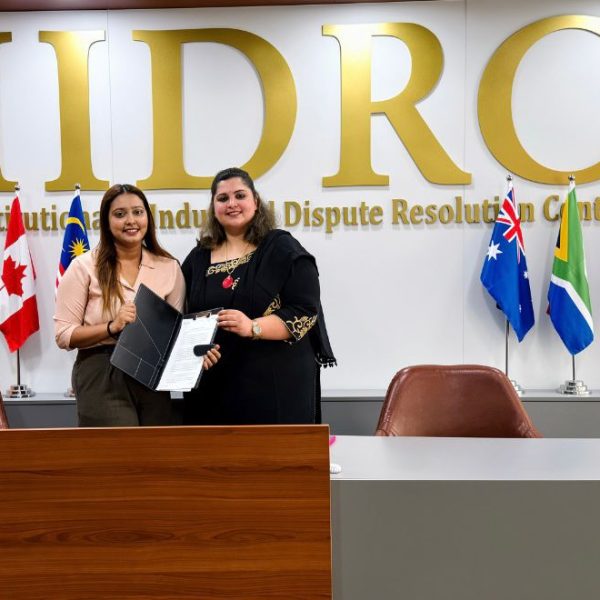
Mediation & Dispute Resolution Redressal

Not every dispute belongs in a courtroom. The Arbitration and Conciliation Act, 1996, the pre-institution mediation mandate of the Commercial Courts Act, and the Mediation Act, 2023 together make structured dispute resolution a central feature of Indian commercial life. ProAdhikar’s alternative dispute resolution work draws directly on the Founder’s litigation experience: arbitration advisory across commercial, real estate, redevelopment, and shareholder disputes, including the clause drafting where arbitration problems are actually created; mediation and conciliation in commercial and workplace matters; and conciliation under Section 10 of the POSH Act, conducted strictly within the limits the statute sets.

Community Legal Awareness Prevention

Justice begins with knowing the law exists. Legal literacy camps, webinars, and community programmes run in schools, colleges, residential communities, and public institutions, explaining rights, duties, and remedies in plain language. This is ProAdhikar’s public-interest foundation, and it operates without commercial character.


INDUSTRIES WE WORK WITH

Every sector carries its own duties. Every programme is built for them.

The POSH Act, 2013 and the POCSO Act, 2012 apply across sectors, but the risks, workforces, and working patterns differ completely. A session designed for one environment does not land in another.

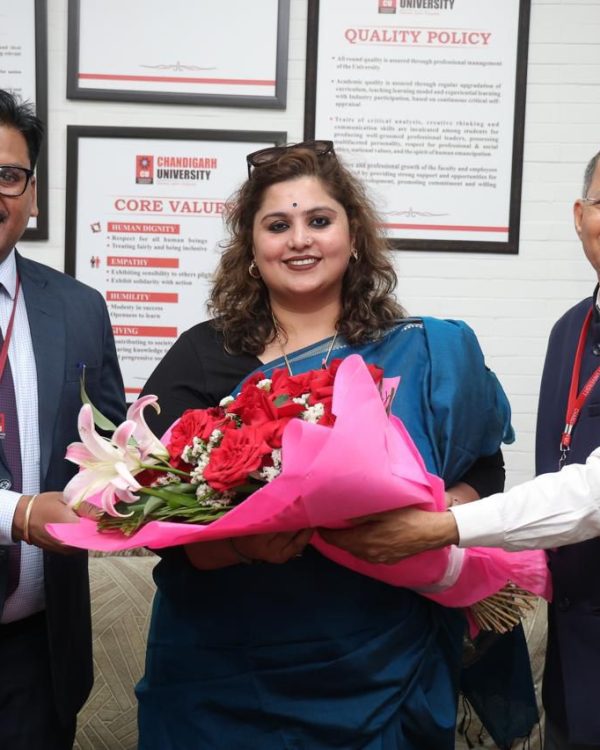
Universities and Colleges

We constitute and train Internal Committees for that dual jurisdiction, run campus awareness programmes, and advise administrations on complaint handling where students, faculty, and staff intersect.

EdTech

We advise on educator conduct standards, online safeguarding protocols, reporting procedures for digital environments, and the POCSO obligations that follow a company whose classrooms are screens.

Healthcare

Our healthcare programmes address staff conduct, complaints involving patients and attendants, and Internal Committee functioning in institutions that never close.

NGOs and Community Institutions

We support NGOs and community institutions with POSH and child safeguarding compliance scaled to their size and funding realities, donor-facing compliance documentation, and training for field teams whose workplace is the community itself.

Government and Public Bodies

We deliver human rights education, POSH compliance support, and sensitisation programmes for departments, public sector undertakings, and local bodies, adapted to their service rules and administrative structure.

Over a decade before the Supreme Court and High Courts

Advocate Varsha Singh is a first-generation lawyer whose practice at Lexvent Partners spans real estate litigation, redevelopment disputes, commercial litigation, corporate law, insolvency and bankruptcy, criminal matters, and constitutional questions, with regular appearances before the Supreme Court of India and the High Courts of Delhi, Bombay, and Allahabad (Lucknow Bench). Her courtroom work covers urgent applications, injunctions, enforcement actions, and multi-party commercial conflicts, alongside advisory work for developers, corporates, startups, and investors.

She is a certified POSH consultant and workplace compliance advisor, and has trained Internal Committees, conducted and assisted inquiries, drafted institutional policies, and addressed audiences from plant shop floors to boardrooms and university halls. Her POSH and behaviour programmes have reached thousands of employees across manufacturing, logistics, pharma, healthcare, retail, and services, including multilingual sessions built for shift-based workforces.

Her work in arbitration and mediation grows directly out of litigation: knowing how disputes end in court is the best preparation for resolving them outside it. She has been featured by SuperLawyer for her professional journey and practice.

8
ADVOCATE VARSHA SINGH

Founder, ProAdhikar · Founder and Lead Counsel, Lexvent Partners · Practitioner before the Supreme Court of India and multiple High Courts

FAQS

Every workplace in India with ten or more employees must constitute an Internal Committee and comply with the Act. The definition of workplace is wide: offices, factories, hospitals, educational institutions, and any place an employee visits arising out of employment, including employer-provided transport. Organisations with fewer than ten employees fall under the Local Committee constituted by the District Officer.

Required. Section 19 obliges the employer to organise workshops and awareness programmes at regular intervals for employees, and orientation programmes for Internal Committee members. Training records also form part of the evidence that an employer took its duties seriously.

Any person who has knowledge or apprehension that an offence under the Act has been committed must report it to the Special Juvenile Police Unit or the local police. For institutions, this duty binds every teacher, doctor, coach, warden, and staff member individually. Failure to report is itself an offence under Section 21, punishable with imprisonment.

ProAdhikar is a human rights and legal empowerment initiative focused on training, compliance, awareness, and dispute resolution support, founder-led by Advocate Varsha Singh. Where matters require court representation, litigation is handled through Lexvent Partners, a full-service law practice.

Yes. Programmes are delivered on site across India, including plant locations and semi-urban institutions, and virtually where appropriate. Sessions run in English, Hindi, and mixed formats.

Begin a conversation

ProAdhikar works with institutions that take their responsibilities seriously. If that describes yours, we would be glad to hear from you.

How to reach us

Email

info@proadhikarfoundation.org

Phone

+91 98919 89143

LinkedIn

Adv. Varsha Singh

All enquiries are treated as confidential. Nothing on this website, and no response to a general enquiry, constitutes legal advice or creates an advocate-client relationship.

Scroll to Top